
Storing Your Car in a 10×20 Storage Unit? Here’s What You Need to Know
Storing your vehicle in a 10×20 self-storage unit is an excellent way to protect it from the elements and free up space at home. To ensure your car remains in optimal condition during its time in storage, follow these comprehensive steps.
1. Choose the Right Storage Facility
Selecting a reputable storage facility is crucial. Look for one with easy drive-up access, as some units are so tightly spaced that maneuvering a vehicle inside can be challenging. If you live in an area with extreme temperatures, consider a climate-controlled unit to prevent damage to the interior and exterior.

2. Verify Vehicle Dimensions
Before renting a 10×20 unit, confirm your vehicle will fit comfortably. This size typically accommodates sedans, classic cars, small trucks, and SUVs, but always measure the length, width, and height, including mirrors and accessories.
3. Gather Necessary Documentation
Most storage facilities require:
- Proof of Ownership: Vehicle registration or title.
- Valid Identification: Driver’s license or government-issued ID.
- Proof of Insurance: An active policy covering the stored vehicle. If your car is self-insured, this can help bypass facility value limitations.
Ensure all documents are current and readily available during the rental process.
4. Perform Essential Maintenance
Proper pre-storage maintenance prevents deterioration:
Clean the Exterior and Interior
- Wash and wax the exterior to protect the paint.
- Remove food crumbs and debris to prevent pests.
Change Fluids
- Replace engine oil, brake fluid, and coolant to prevent corrosion.
- Brake fluid absorbs moisture over time, lowering its boiling point and potentially leading to brake failure.
Fill the Gas Tank and Add a Fuel Stabilizer
- The debate over emptying vs. filling the tank is real, but the best approach is filling it completely to prevent moisture buildup.
- Add fuel stabilizer to prevent oxidation and deposits. Drive the car for 10–15 minutes after adding it to ensure thorough mixing.

Prevent Flat-Spotting on Tires
- Inflate tires to the recommended psi.
- Long-term storage can cause flat spots, especially in cold conditions.
- Consider placing the car on jack stands to take pressure off the tires. Use small wood pieces under the stands to prevent floor damage.
5. Disconnect the Battery
- For storage longer than two weeks, disconnecting the battery prevents drain.
- A trickle charger can maintain charge without overcharging.
- Label or note settings (radio presets, security system) before disconnecting.
6. Protect Against Pests
The last thing you need is rodents chewing wires. Prevent this with:
- Sealing openings: Close all windows, vents, and sunroofs.
- Peppermint oil-soaked cotton balls: Place them inside the car to repel pests.
- Avoiding food-based deterrents: These can attract more pests.
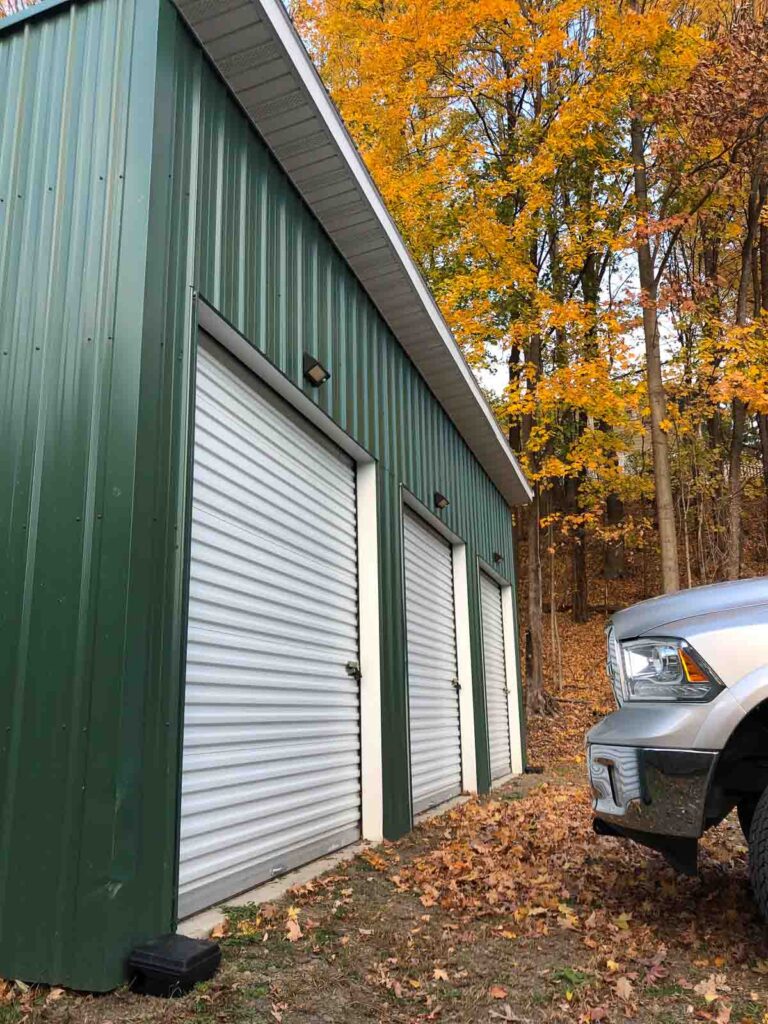
Choose a facility with rodent control measures, like bait stations, for extra protection.
7. Cover the Vehicle
A high-quality car cover shields against dust and scratches. Storage unit doors are not airtight, so dust will accumulate over time.
8. Avoid Engaging the Parking Brake
- Brake pad sticking can occur if the parking brake is engaged for long periods.
- Rust and corrosion build up, making the brakes difficult to release.
- Alternative: Use wheel chocks to keep the car from rolling.
9. Check Facility Policies
Each facility has unique rules regarding vehicle storage:
- Accessibility: Confirm hours for accessing your vehicle.
- Prohibited Activities: Maintenance and repairs inside the unit are typically not allowed.
- Insurance Requirements: Some facilities require additional coverage for stored vehicles.
Common Questions About Storing a Car in a 10×20 Unit
Can I store a non-operational vehicle?
Policies vary. Some facilities require vehicles to be running, while others allow non-operational ones with proper documentation. Always check in advance.
Is climate control necessary?
Not mandatory, but recommended for high-value or classic cars to protect against extreme temperatures and humidity.
How often should I check on my stored vehicle?
Visit at least once a month to inspect for issues and ensure it remains in good condition.
Can I work on my car inside the storage unit?
Most facilities prohibit maintenance or repairs inside the unit due to safety and environmental regulations.
Final Tip: If you have extra space in your unit, check out [How to Safely Store Everything in a 10×20 Storage Unit] to maximize efficiency.
By following these steps and facility guidelines, your vehicle will stay protected and ready to go when you need it.