A Complete Guide To Portable Vs Self Storage
When it comes to finding a storage solution, there’s no shortage of options. Two of the most popular choices are portable storage units and self storage units. Each has its own set of advantages and drawbacks, so the key to making the right choice lies in understanding your unique needs and how each option aligns with them.
Portable Storage Units: Convenience on Wheels
What Are Portable Storage Units?
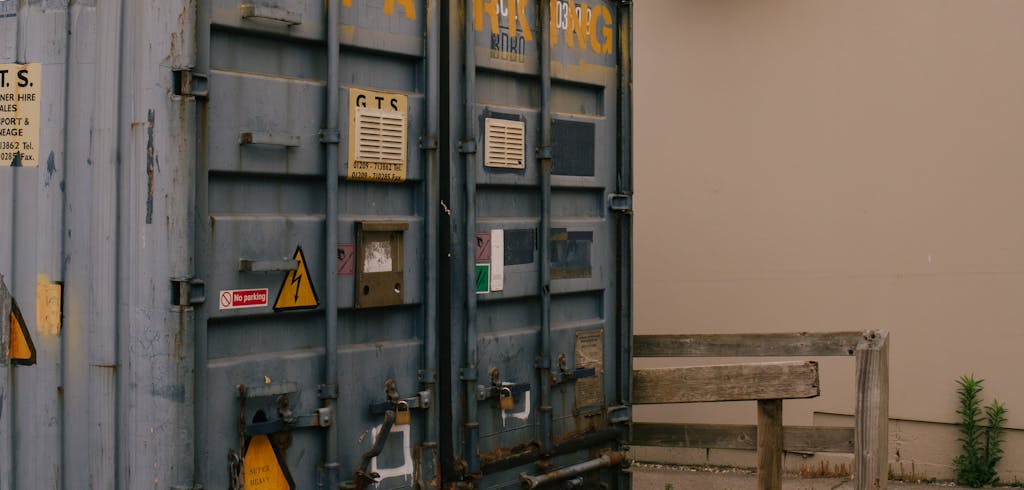
Portable storage units are exactly what they sound like—storage containers that are delivered to your location. Once the unit arrives, you can load your belongings at your own pace. When you’re ready, the company can either pick it up and transport it to a storage facility or leave it on your property for as long as you need.
Pros of Portable Storage Units
- Flexibility Portable storage units offer unparalleled flexibility. Since the unit comes to you, there’s no need to worry about renting a truck or making multiple trips to a storage facility.
- Convenience for Moving If you’re planning a move, portable storage units can serve as both storage and transportation. Many companies will deliver your unit to your new address, making it a seamless option for relocations.
- Time-Saving Loading and unloading items directly from your home or office can save significant time. There’s no need to travel back and forth to a facility.
- Storage at Your Location For those who need frequent access to their items, keeping the storage unit on-site can be incredibly convenient. This is particularly useful for home renovations or business inventory.
Portable Storage in Oneonta, NY
In Oneonta, NY, portable storage units are available from several local and national providers. With Oneonta’s varied seasons, these units are often weather-resistant but may lack full waterproofing. Local regulations might require permits for on-site storage, so be sure to check with city guidelines. Portable storage is especially popular for college students at SUNY Oneonta who need short-term solutions during moves.
Cons of Portable Storage Units
- Cost While portable storage can save time, it often comes at a higher price point compared to self storage units.
- Space Requirements Not every property has the space to accommodate a portable storage unit. If you live in an apartment or a densely populated area, this might not be a viable option.
- Limited Climate Control Most portable units lack climate control, which could pose a risk to sensitive items like electronics, artwork, or important documents.
- Permits and HOA Restrictions Some municipalities and homeowners’ associations require permits or have restrictions on keeping storage units on your property, adding an extra layer of complexity.
Self Storage Units: A Tried-and-True Option
What Are Self Storage Units?
Conventional self-storage units are housed within a storage facility. Customers rent a specific-sized unit, typically on a monthly basis, and are responsible for transporting their belongings to and from the facility.
Pros of Self Storage Units
- Cost-Effective Conventional self-storage units are generally more affordable than portable options, especially if you’re planning long-term storage.
- Variety of Sizes Storage facilities offer a wide range of unit sizes, allowing you to choose the one that best fits your needs. This scalability is great for both individuals and businesses.
- Climate-Controlled Options Many facilities offer climate-controlled units, ensuring your belongings remain safe from extreme temperatures and humidity.
- Security Modern storage facilities often feature robust security measures such as surveillance cameras, gated access, and on-site staff, providing peace of mind for customers.
- No Property Impact Since your items are stored off-site, there’s no impact on your property or need to worry about permits.
Self Storage in Oneonta, NY
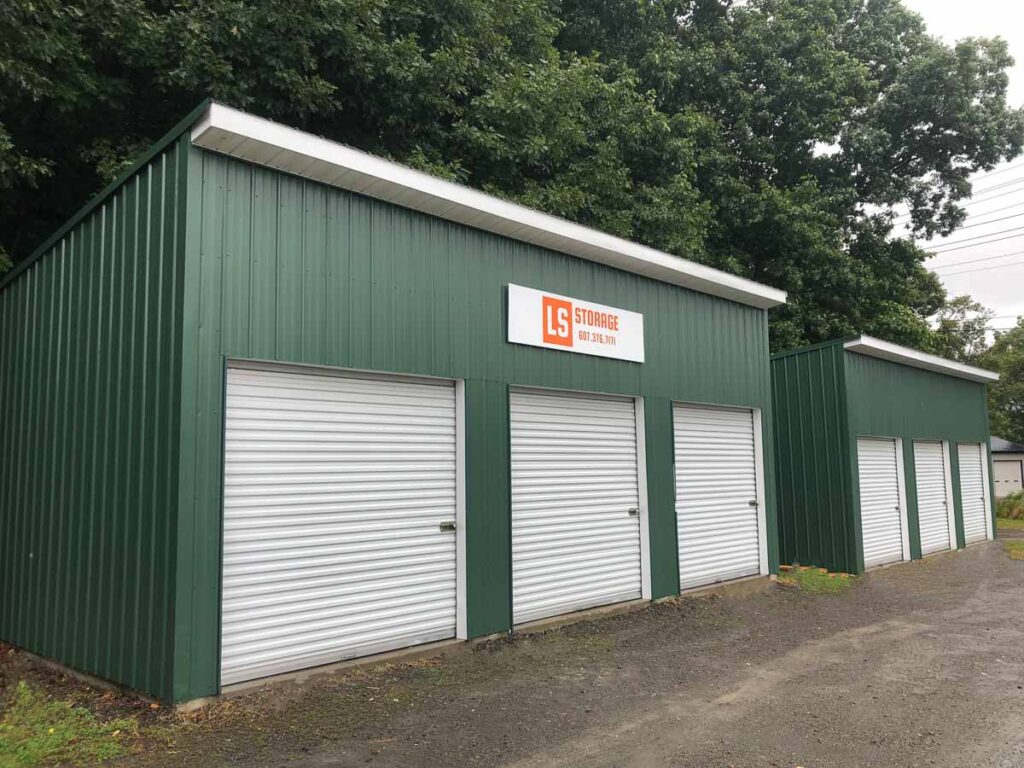
Oneonta, NY, is home to several self storage facilities offering a range of unit sizes and climate-controlled options. Many of these facilities are conveniently located near major roads like I-88, making access simple for residents. Some even cater to the local student population with affordable short-term rental options during the school year.
Cons of Self Storage Units
- Limited Accessibility Accessing your belongings requires a trip to the facility, which can be inconvenient if you need frequent access.
- Transportation Hassle Moving items to and from the facility often requires a truck rental or multiple trips, adding time and effort.
- Set Hours Some facilities have restricted hours, which can limit when you’re able to access your belongings.
- Geographic Limitations If the facility isn’t close to your home or office, the added travel time can be a significant drawback.
Comparing Key Factors
To help you decide which option is better for your needs, let’s break down some key factors:
1. Cost
- Portable Storage: Generally more expensive, especially for short-term use or when transporting the unit long distances.
- Conventional Storage: More cost-effective, particularly for long-term storage.
2. Convenience
- Portable Storage: Ideal for those who value convenience and want to avoid transporting their items themselves.
- Conventional Storage: Better for those who don’t mind making trips to a facility.
3. Access
- Portable Storage: Offers on-site access if kept on your property.
- Conventional Storage: Requires traveling to the facility, which may have restricted hours.
4. Space and Location
- Portable Storage: Requires sufficient space on your property and may be subject to local regulations.
- Conventional Storage: Stored off-site, so no space is needed at your location.
5. Security
- Portable Storage: Security depends on your location; units left on driveways or in yards may be more vulnerable.
- Conventional Storage: Often includes advanced security features such as surveillance and gated access.
6. Climate Control
- Portable Storage: Rarely offers climate control, making it less suitable for delicate items.
- Conventional Storage: Many facilities offer climate-controlled units to protect sensitive belongings.
FAQs About Portable and Self Storage Units
Portable Storage Units
Q: How long can I keep a portable storage unit on my property? A: This depends on the company and local regulations. Some companies allow indefinite storage, while others may have time restrictions.
Q: Do portable storage units require a flat surface? A: Yes, a flat, stable surface is generally required for safe placement and use of a portable storage unit.
Q: Can I move the portable unit myself? A: Typically, no. The company’s professionals handle transportation for safety and liability reasons.
Q: Are portable storage units weatherproof? A: Most are designed to be weather-resistant, but they may not be completely waterproof. Check with your provider for specifics.
Self Storage Units
Q: How secure are self storage facilities? A: Most facilities offer security features like gated access, surveillance cameras, and on-site staff. Always ask about security measures before renting.
Q: Can I access my unit 24/7? A: This varies by facility. Some offer 24/7 access, while others have set hours.
Q: What happens if I miss a payment? A: Policies vary, but most facilities will charge a late fee. Continued non-payment could result in your items being auctioned.
Q: Are self storage units climate-controlled? A: Many facilities offer this option, but it’s typically at a higher cost. Be sure to ask if you need climate control.
When to Choose Portable Storage Units
Portable storage units are a great choice if:
- You’re planning a move and need a solution that doubles as transportation.
- You’re renovating your home and need easy, on-site access to your belongings.
- You value convenience and want to avoid multiple trips to a facility.
Best For:
- Short-term storage needs.
- Situations requiring frequent access to items.
- Those with sufficient space on their property.
When to Choose Self Storage Units
Conventional self-storage units are the better choice if:
- You need long-term storage at a lower cost.
- Climate control is essential for your items.
- Security is a top priority.
- You lack the space or permissions to accommodate a portable unit on your property.
Best For:
- Long-term storage.
- Safeguarding sensitive or valuable items.
- Budget-conscious individuals.
Questions to Ask Yourself Before Deciding
To make the best decision, consider the following:
- How long will I need storage?
- Do I have space on my property for a portable unit?
- Will I need frequent access to my belongings?
- Are my items sensitive to temperature or humidity?
- What is my budget for storage?
- Do I value convenience over cost?
- Are there local restrictions or permits required for portable storage units?
Final Thoughts
Both portable storage units and self storage units have their strengths and weaknesses. Your decision should ultimately come down to your specific needs, priorities, and circumstances. If convenience and flexibility are your top priorities, a portable storage unit might be the way to go. However, if you’re looking for a cost-effective, secure, and climate-controlled solution, self storage units are likely the better option.
By carefully weighing these factors and asking yourself the right questions, you can make an informed choice that simplifies your storage experience.